Physical Address
304 North Cardinal St.
Dorchester Center, MA 02124
Physical Address
304 North Cardinal St.
Dorchester Center, MA 02124
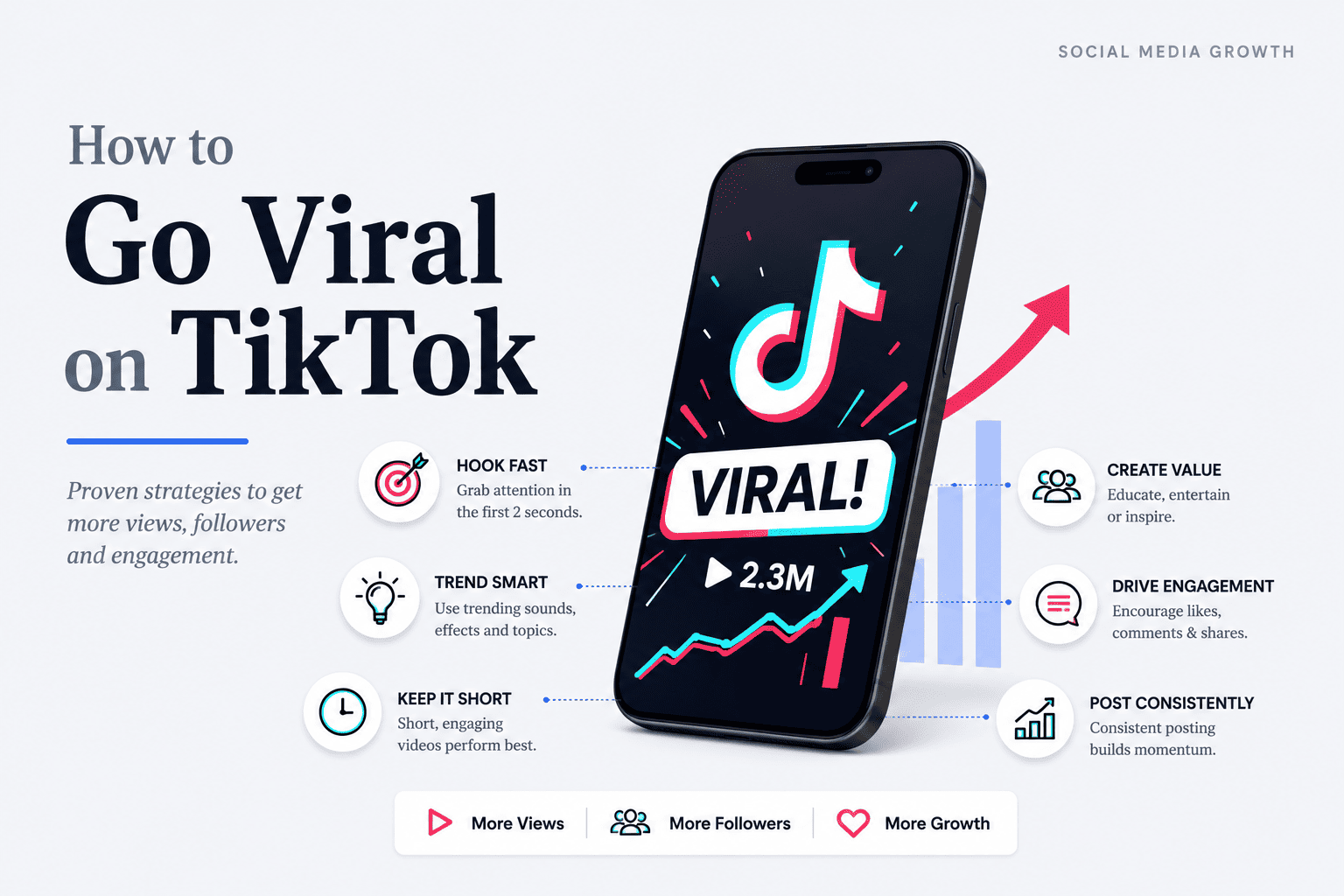
I once posted a video at what three different “best time to post” articles swore was the golden hour, used a trending sound, added a caption I was genuinely proud of and watched it die at 340 views. Meanwhile, a video I filmed in one take because I was running late hit 60,000. There was no lesson in that except the one nobody wants to hear: virality isn’t a vibe, it’s a scorecard, and I hadn’t been reading mine.
So here’s the actual scorecard TikTok is using in 2026:
None of that is luck. Here’s what each one actually means for the next video you post.
Yes, and this is the single biggest shift in how the algorithm behaves this year. When you publish, TikTok now tests the video with a small sample of your own followers first, typically a few hundred people, before deciding whether it’s worth pushing to your For You Page [FYP, TikTok’s main recommendation feed] audience. If that initial group engages, the video graduates to wider testing pools. If they scroll past it, the video’s reach quietly caps out.
The practical upshot: your existing audience’s engagement habits now directly gatekeep your next video’s shot at going wide. Replying to comments in the first hour, and posting at times your specific followers are actually online, matters more than it used to.
Completion rate [the percentage of viewers who watch a video all the way to the end] is the metric doing the most damage to creators who haven’t adjusted their strategy. The bar has risen from roughly 50% in 2024 to around 70% now, meaning a video padded with a slow intro or a meandering middle gets penalized far more harshly than it would have two years ago.
Rewatch rate adds another layer on top of that. A viewer who watches your video three times is a stronger signal to the algorithm than three different viewers each watching once – TikTok reads that as content strong enough to revisit, and a rewatch rate above 15–20% is generally considered a solid boost. Practically, that means loops, punchlines that land on replay, or information dense enough that people need a second pass all outperform content that’s “watchable once and done.”
There’s no single right answer here, and most advice oversimplifies it. TikTok’s own default recommendation sits around 9–15 seconds, and short videos in the 15–30 second range tend to post the highest completion rates simply because there’s less runway to lose someone. But longer formats – a minute, even several minutes – can rack up more total watch time if the hook is strong enough and the pacing never sags, because total watch time and rewatch behavior matter alongside completion percentage.
The honest rule: match the length to how much genuinely engaging content you have, not to a template. A tight 15-second video beats a padded 45-second one every time; a genuinely gripping 90-second story beats a rushed 15-second version of the same idea.
Because that’s roughly how long a viewer takes to decide whether to keep watching or scroll on, and the data backs this up hard – a majority of top-performing videos deliver their core message within the first three seconds, not after a slow build. If your video opens with a logo animation, a “hey guys” intro, or any kind of warm-up, you’re burning the exact window that determines whether the algorithm’s test audience sticks around long enough to count as a good sign.
A quick way to fix a weak hook:
Shares have overtaken likes as the stronger algorithmic signal, and the logic makes sense from TikTok’s side: a like keeps a viewer on the platform, but a share brings in someone new. Content that prompts a “you need to see this” reaction – genuinely useful information, relatable frustration, or mildly controversial takes people want to weigh in on – tends to outperform content that’s simply well-made.
A few tactics that reliably lift share rate: explicitly say “send this to someone who-” when it fits naturally, package information densely enough that saving it feels useful, and don’t be afraid of a take with a little edge to it. Safe, agreeable content is easy to like and forget; content with a point of view is what gets forwarded.
Increasingly, yes. TikTok has been leaning harder into search-style discovery, and its algorithm now reads the keywords in your caption, the words you actually say out loud (auto-transcribed), and any on-screen text to figure out which niche searches your video should surface for, not just which interests it might match on the FYP.
How to optimize for this before you post:
Trending sounds haven’t disappeared, but using one exactly as-is is increasingly a missed opportunity – original voiceovers, or a trending audio with your own twist layered on top, tend to stand out precisely because the algorithm (and viewers) have grown numb to identical use of the same clip. Story-based content is also having a moment in longer formats: a well-paced narrative with a clear beginning, tension, and payoff can sustain the 60–180 second range far better than a straightforward tips list can.
The common thread across everything performing well right now: specificity. “Here’s a marketing tip” underperforms “here’s the exact caption structure that got my last video 2 million views” – the second version promises something the algorithm can measure people staying for.
A few habits quietly cap videos that otherwise had a real shot:
Officially, no. TikTok has confirmed follower count isn’t a direct ranking factor, and plenty of zero-follower accounts break out on a single video that performs well with its test audience. Small businesses posting their very first video have gained tens of thousands of followers overnight this way, and some of the platform’s biggest all-time hits came from accounts with no prior track record at all.
That said, the follower-first testing model does mean an engaged, even modest, existing audience gives your video a better initial testing pool to clear before it’s judged against strangers. Zero followers doesn’t block virality, it just means you’re relying entirely on the content itself to win over a cold audience on the first try.
Going viral was never really about luck. It’s about clearing a specific, measurable bar TikTok sets for you every single time you hit post and now you know exactly where that bar sits. Once the views start coming in consistently, that’s usually the point worth asking a different question: how do you actually turn that reach into income? That’s a whole guide on its own.
